Second time in London, and the same thing happens.
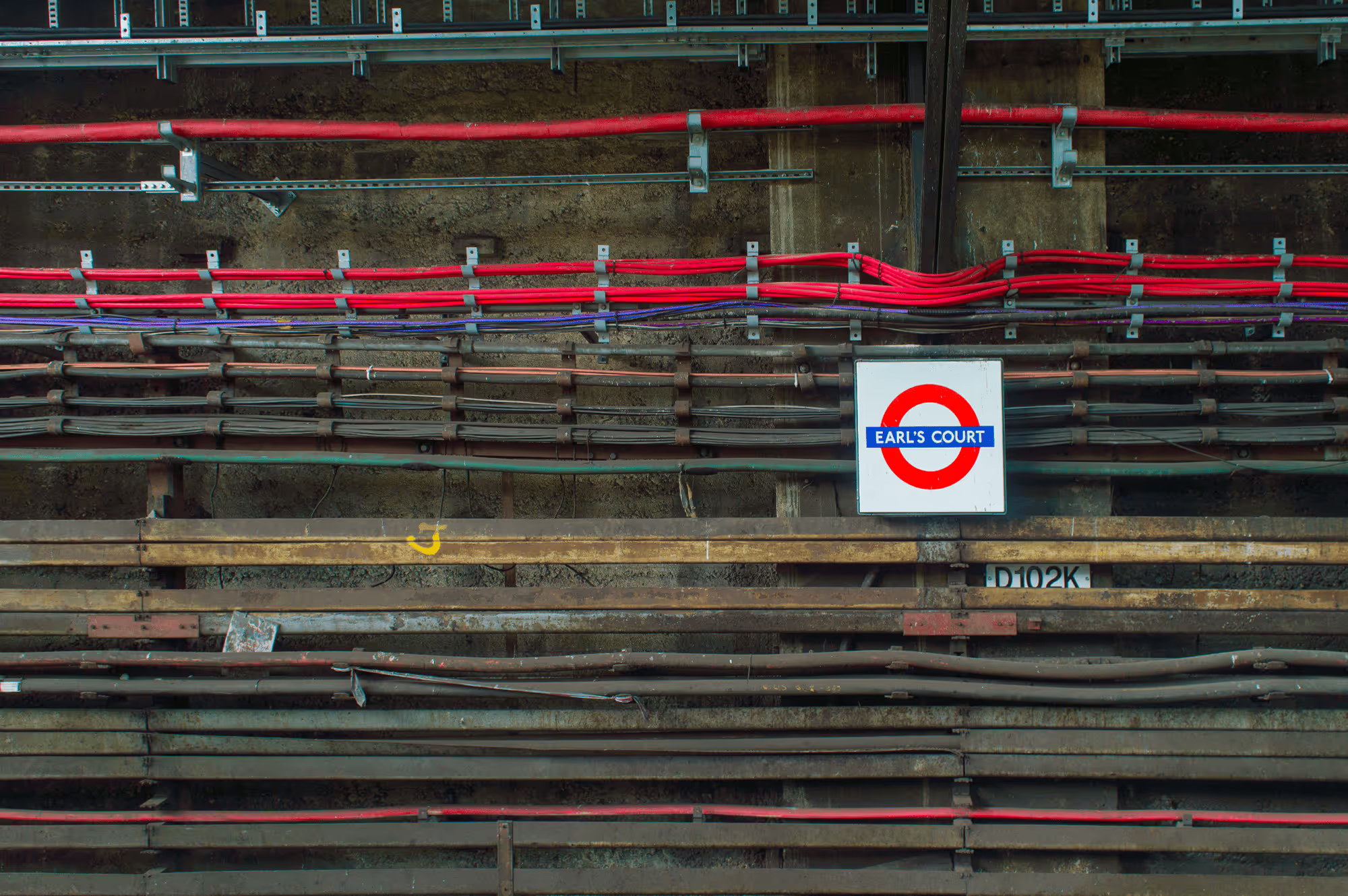
I'm on the underground reading the ads, which are better than the ones back home. Then I look out the window at Turnham Green and catch something else. A line of cables running alongside the rail. Each bundle tied together, each one color-coded, and as far as I can tell, consistent across every line in the city, no matter which company runs which.
And I think: how much trouble is that saving?
Not money. Not time. Trouble. The kind of inconvenience that, because of how those cables are arranged, simply never happens. Nobody traces the wrong wire. Nobody reruns a job that was already done. The work that went into tying and labeling them once gets paid back every day after, quietly, in problems that never start.
Whoever keeps their hands off the easy mess gets to spend their attention on harder, better things. A technician who isn't untangling cables is free to fix something that actually deserves a smart person. It's the same reason GPS changed driving. Once you stop taking wrong turns, you can think about where you're actually going.
I wonder what isn't getting solved in the cities that never bothered to tie their cables. Not because the people there are worse, but because they're busy with problems that a bit of order would have erased.
This is most of what systems work is, and most of why it's hard to point at. The value doesn't show up in what you can see. It shows up in what you stop seeing. The duplicated build that didn't happen. The exception nobody had to argue about. The week of back-and-forth that turned into an afternoon.
The temptation is to judge a system by what it lets you make. I'd judge it by what it lets you stop thinking about. A team on a good system spends its best hours on the problems worth having, because the rest were tied off, once, by someone who cared enough to do it properly.